
Published: January 20, 2026
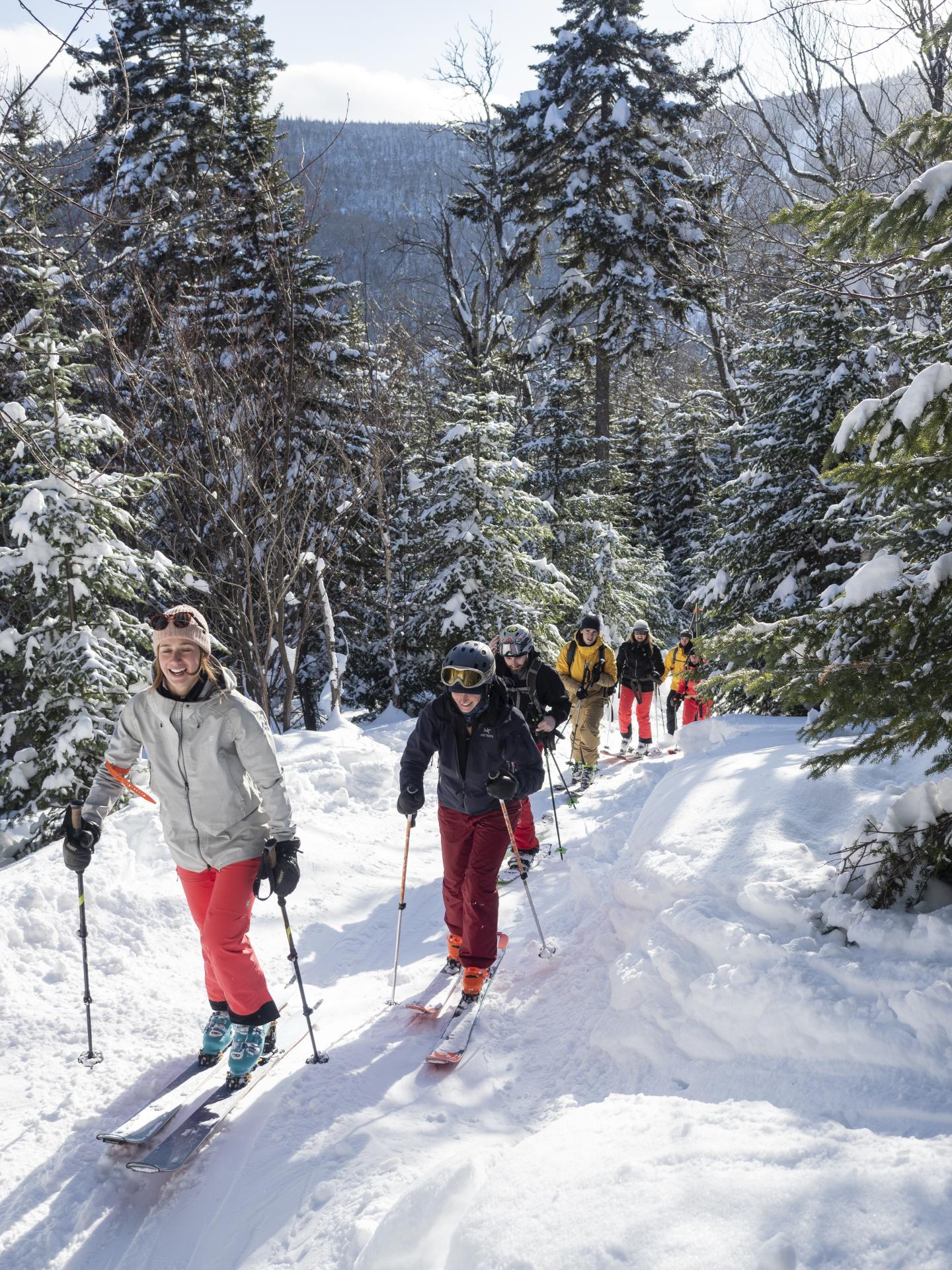
One of the best places for backcountry skiing in Québec in 2026 is Le Massif, an iconic destination offering some of the most impressive runs in the country. However, the province is full of backcountry skiing destinations, and in this guide, we’ll show you the 8 best spots!
1. Le Massif de Charlevoix (Charlevoix)
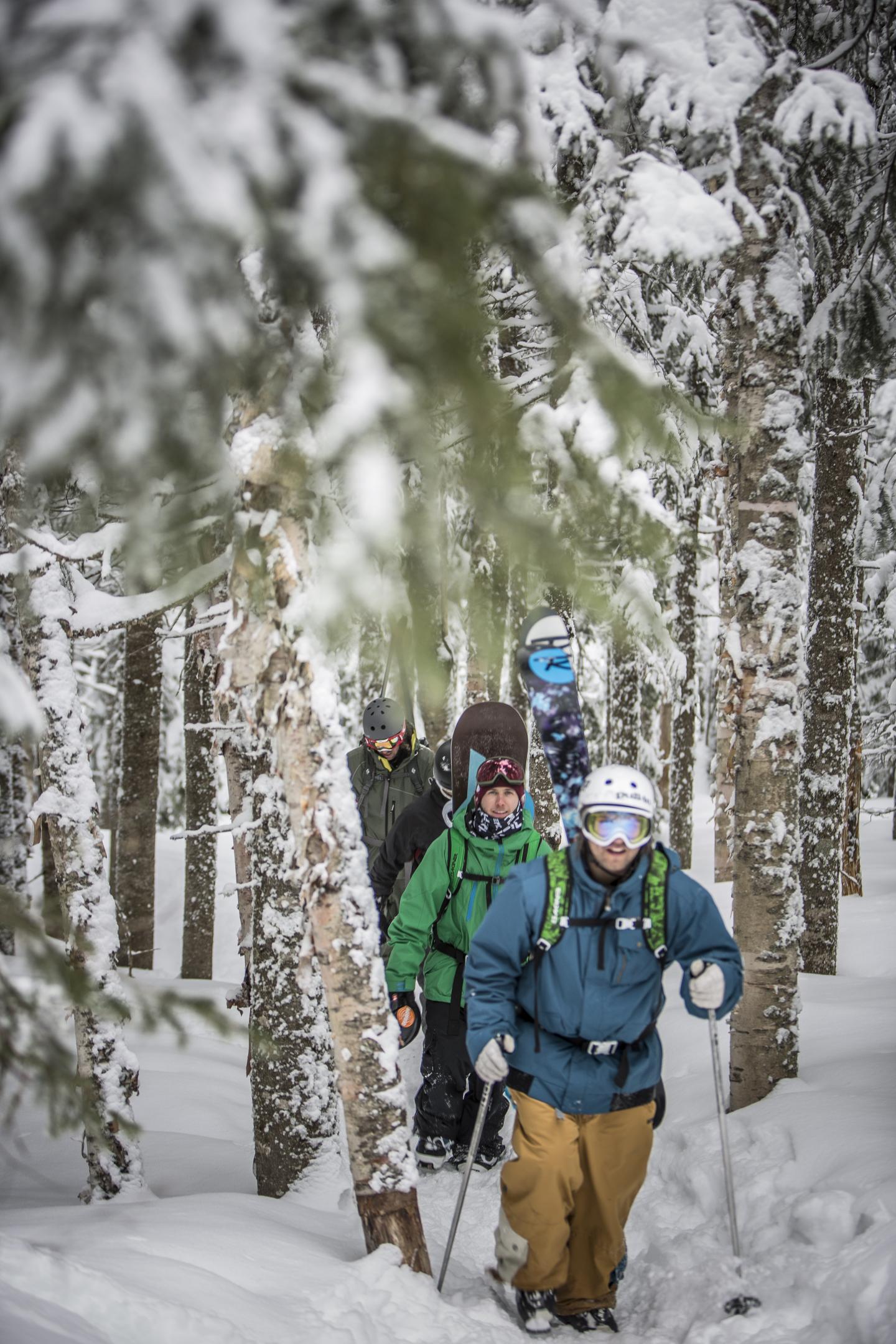
Le Massif de Charlevoix, located in Petite-Rivière-Saint-François in the Charlevoix region, is one of Canada’s most spectacular ski destinations. With an impressive vertical drop of about 770 m, the highest east of the Rockies, the resort offers unique panoramic views of the St. Lawrence River.
For backcountry skiing, the Mont à Liguori sector provides access to wilder, more natural environment, reachable via alpine touring (skins or hiking). Although close to the ski area, this sector remains in its natural state, which creates a more authentic and immersive experience.
Available Accommodations
The ski accommodations at Le Massif de Charlevoix are quite diverse. You can find:
- Chalets and lodges: Beautiful chalets for rent in Petite-Rivière-Saint‑François perched at the summit of Le Massif or nestled at the base of the mountain, for an unforgettable four-season stay.
- Apartments: Located at the base of the ski and mountain bike slopes, as well as the hiking trails, our rental apartments enjoy a prime location in the heart of Petite-Rivière-Saint‑François.
- Studios for rent: Nestled at the summit of Le Massif, in the Chalets‑Forêt area of Petite‑Rivière‑Saint‑François, these studios have an ideal location to fully enjoy all the mountain activities in Charlevoix.
2. Sentiers du Moulin (Lac-Beauport)
Located about twenty minutes from Québec City, Sentiers du Moulin offers an accessible and well-organized backcountry skiing option, perfect for anyone who wants to enjoy tree skiing without straying too far from town. The dedicated backcountry sector provides roughly 170 m of vertical, with the ascent done via a well-marked skin track that usually takes less than twenty minutes to complete.
This wooded terrain is laid out to offer engaging runs while still preserving a natural setting. You’ll find a mix of tight turns, more open sections, and moderate slopes, making it a particularly popular spot for intermediate to advanced skiers. Even though the area is structured and supervised, it still maintains the authentic feel of a snowy forest.
3. Vallée Taconique (Gaspésie)
Tucked in the heart of Gaspésie, the Taconique Valley offers a natural playground for backcountry skiers looking for wild slopes, a northern atmosphere, and a quiet, lightly travelled environment. The area stands out for its steep faces, wind-swept ridgelines, and dense forests that create a variety of lines for all styles, from couloir skiing to tree runs.
Access is generally done via skin-track approaches that vary depending on the chosen route, adding to the sense of adventure that defines the region. Once up high, the views of Gaspésie’s characteristic landscapes, rounded mountains, deep valleys, and wide-open snowfields, remind you why this destination remains a must-visit for more self-reliant skiers.
4. Mont-Édouard (Saguenay)
Located in L’Anse-Saint-Jean, in the heart of the Saguenay–Lac-Saint-Jean region, Mont-Édouard is known as one of Québec’s premier destinations for backcountry skiing. With roughly 450 m of vertical, the mountain offers a varied landscape that blends alpine runs, glades, and large areas dedicated to off-piste.
The “Haute-Route” sector even features several shelters, dedicated skin tracks, and unmaintained descents, attracting both experienced skiers and adventure-seekers who want to explore the natural surroundings.
5. Mont-Tremblant (Laurentides)
Mont-Tremblant is one of the most iconic mountain destinations in the Laurentians. With a summit at 875 m and about 645 m of vertical, it’s one of the region’s largest skiable reliefs. Its reputation is built mainly on its expansive alpine terrain and lively pedestrian village, but the resort also offers a few interesting options for those looking for light backcountry skiing and ski touring.
Even though Mont-Tremblant isn’t a pure freeride destination, there are wooded areas and designated skinning routes. These zones allow skiers to explore the mountain differently, in a controlled and marked environment. The presence of official uphill routes makes the activity more accessible, especially for anyone wanting to try ski touring without venturing into a fully wild setting.
6. East-Hereford (Eastern Townships)
East-Hereford, tucked away in the Eastern Townships near the U.S. border, is dominated by Mount Hereford, an 865 m peak known for its wild, authentic layout. Far from traditional ski resorts, it offers an ideal environment for backcountry skiing, thanks in part to the minimally developed areas maintained by Circuits Frontières.
There are no chairlifts here , you climb under your own power and enjoy natural glades that deliver a truly pure backcountry skiing experience.
The area is mainly divided into two sectors: Les Piments, the more accessible side with about 200 m of vertical, and Les Trois Dames, farther out with roughly 250 m of vertical and a more demanding atmosphere. The ascent typically takes 30 to 45 minutes for Les Piments, while the traverse to Les Trois Dames requires more effort.
7. Murdochville (Gaspésie)
Located in the heart of the Chic-Chocs, Murdochville has become one of the best backcountry skiing destinations. A former mining town now experiencing a revival, it attracts powder lovers with its dramatic slope, abundant snowfall, and authentic, uncrowded atmosphere.
Nearby mountains such as Mont York, Mont Porphyre, Mont Lyall, and Mont Miller offer a wide range of slopes: steep couloirs, open slopes, deep glades, and long descents that sometimes evoke the feel of Western Canada. The region regularly receives more than seven metres of snow each winter, creating ideal conditions for deep turns and the fresh powder that backcountry skiing enthusiasts seek.
8. Mont-Sainte-Anne (Laurentides)
Located about thirty minutes from Québec City, Mont-Sainte-Anne is a top destination for alpine skiers and ski-touring enthusiasts who want to venture a bit beyond groomed trails. With roughly 625 m of vertical and three sides offering a nice variety of slopes, the mountain features several marked skinning routes. These allow access to glades and less-groomed areas, perfect for getting a taste of more accessible off-piste skiing.
The west side is especially popular for its wilder feel and powdery sections when snowfall is abundant. The mountain’s proximity to the city, its solid infrastructure, and the diversity of terrain make Mont-Sainte-Anne an appealing choice for skiers looking for a controlled adventure while still enjoying the convenience of a major resort.
How to Prepare for Backcountry Skiing
Choosing the Right Gear and Skis
- Touring Skis: Lightweight skis with special bindings that allow heel lift for climbing uphill through backcountry skiing area
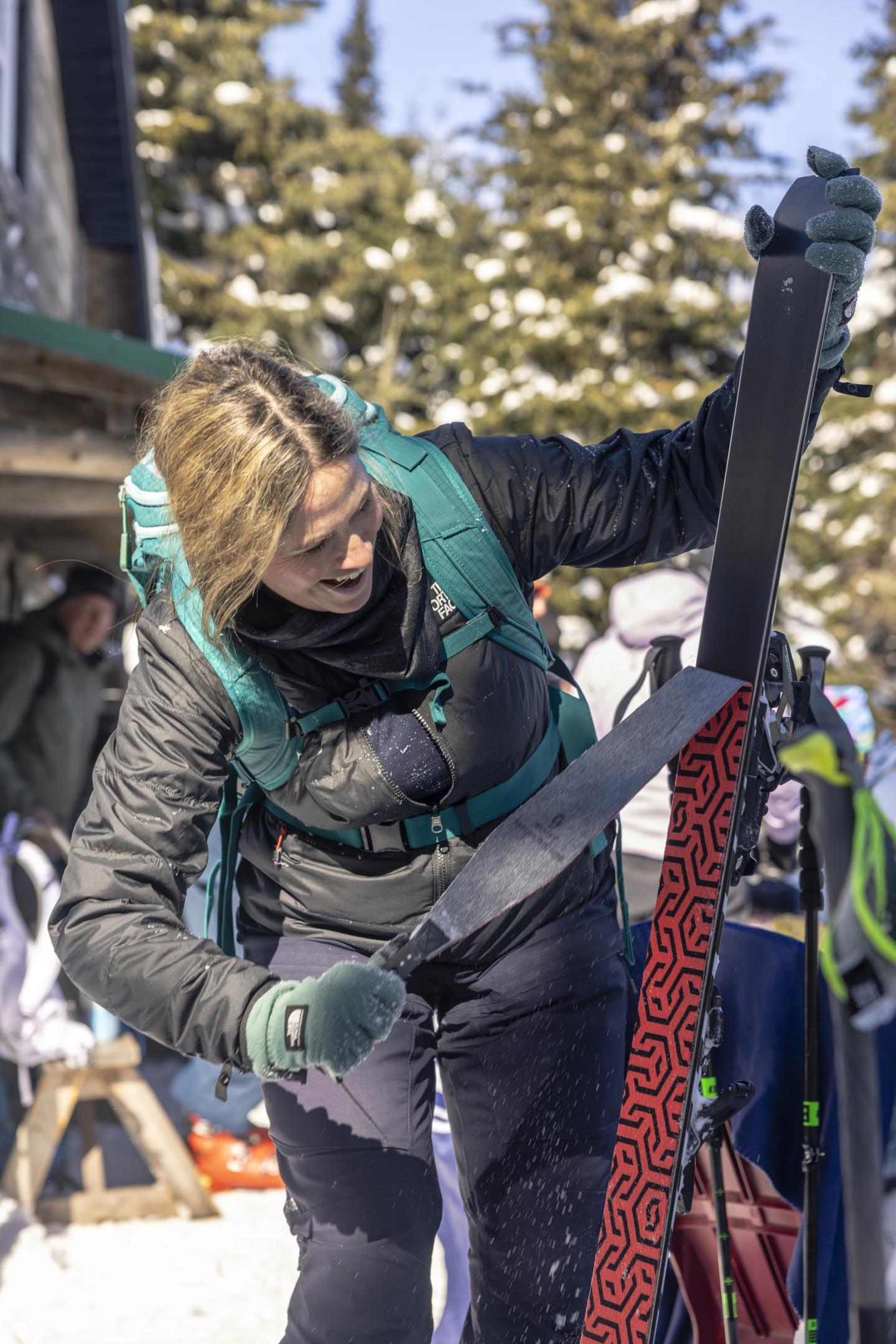
- Climbing Skins: Removable strips that attach to ski bottoms, providing grip for uphill travel while still allowing downward glide
- Articulated Boots: Flexible touring boots with a walk mode that offers greater range of motion for the uphill pass
- Avalanche Gear: The right equipment including transceiver, probe, and shovel for safety in backcountry areas
Selecting the best equipment for ski touring requires careful consideration of the snow conditions and backcountry area you'll encounter. Many skiers who regularly use resort runs find that alpine touring opens up exciting new possibilities beyond groomed areas.
Understanding Safety Essentials
Off-piste skiing mainly requires good preparation and knowledge of the slopes. Inform someone of your route, check the weather conditions, and leave with the appropriate equipment to travel in unpatrolled environment. Always stay in authorized areas, respect access rules, and learn about the specific features of the area you are exploring.
Even though the avalanche risk is very low here, it is still important to take a responsible approach, know your limits, and choose routes suited to your level.
Learning the Basics of Ski Touring
Understanding and mastering the basic techniques helps you progress efficiently uphill and stay in control downhill.
For the ascent:
- Conversion (technique for changing direction while climbing)
- Efficient track-setting (energy-saving)
- Proper use of crampons on ice or hard snow
- Wise choice of ascent routes according to the terrain
For the descent:
- Balanced stance suited to deep snow
- Speed management in variable terrain
- Powder turn techniques
- Preventive reading of the terrain
Book Your Next Backcountry Skiing Adventure!
Are you looking to experience the adrenaline of off-piste skiing in a spectacular setting? At Le Massif de Charlevoix, we offer a perfect experience with varied terrain and breathtaking views of the Saint Lawrence.
Book your next adventure today!
Frequently Asked Questions About Backcountry Skiing in Québec
What safety gear is essential?
Your backcountry skiing adventure requires specific safety equipment that could save your life. Always carry an avalanche transceiver, shovel, and probe as your non-negotiable trio for emergency situations. A helmet offers critical head protection from falls or collisions with trees. We recommend getting proper safety training through FQME courses before heading out.
The basic ski setup includes touring skis fitted with climbing skins for uphill travel, plus articulated boots that allow ankle flexibility for climbing yet provide support during descents. This gear combination creates a foundation for safe exploration of Québec's winter wilderness.
Can you go backcountry skiing with your family?
Family backcountry skiing can create magical memories if you plan thoughtfully for everyone's abilities. We suggest assessing each person's skiing skills honestly and choosing routes that accommodate the least experienced member. Your group should stay together, maintain visual contact, and establish clear communication signals.
The prime season runs from January through mid-March when snow conditions reach their peak. Le Massif de Charlevoix offers excellent family options with varied terrain including impressive 800-metre vertical drops for more skilled participants. Shorter, gentler slopes work well for beginners while still delivering authentic backcountry skiing thrills.
Do you need a permit to access protected areas?
Québec's protected wilderness areas often require permits or passes for backcountry skiing access, depending on the specific location. You should check with local park authorities or conservation offices before planning your trip as regulations vary across different regions.
Some zones implement visitor limits to preserve natural environments, while others might charge fees that support trail maintenance and rescue services.
Updated on 20/01/2026