
Published: March 18, 2026
For a successful ski trip, you’ll want to be fully prepared with the right equipment, including skis or a snowboard, well-fitted boots, a helmet, goggles or sunglasses, and warm, waterproof technical layers to stay comfortable on the ski hill.
Packing your bag can quickly become tricky with changing weather conditions, planned activities, and the risk of forgetting must-have items, which is exactly why this article helps you plan everything ahead, stress-free.
Check out the complete checklist below so you can head out with peace of mind and enjoy your time on the slopes.
1. Waterproof and Breathable Ski Jacket
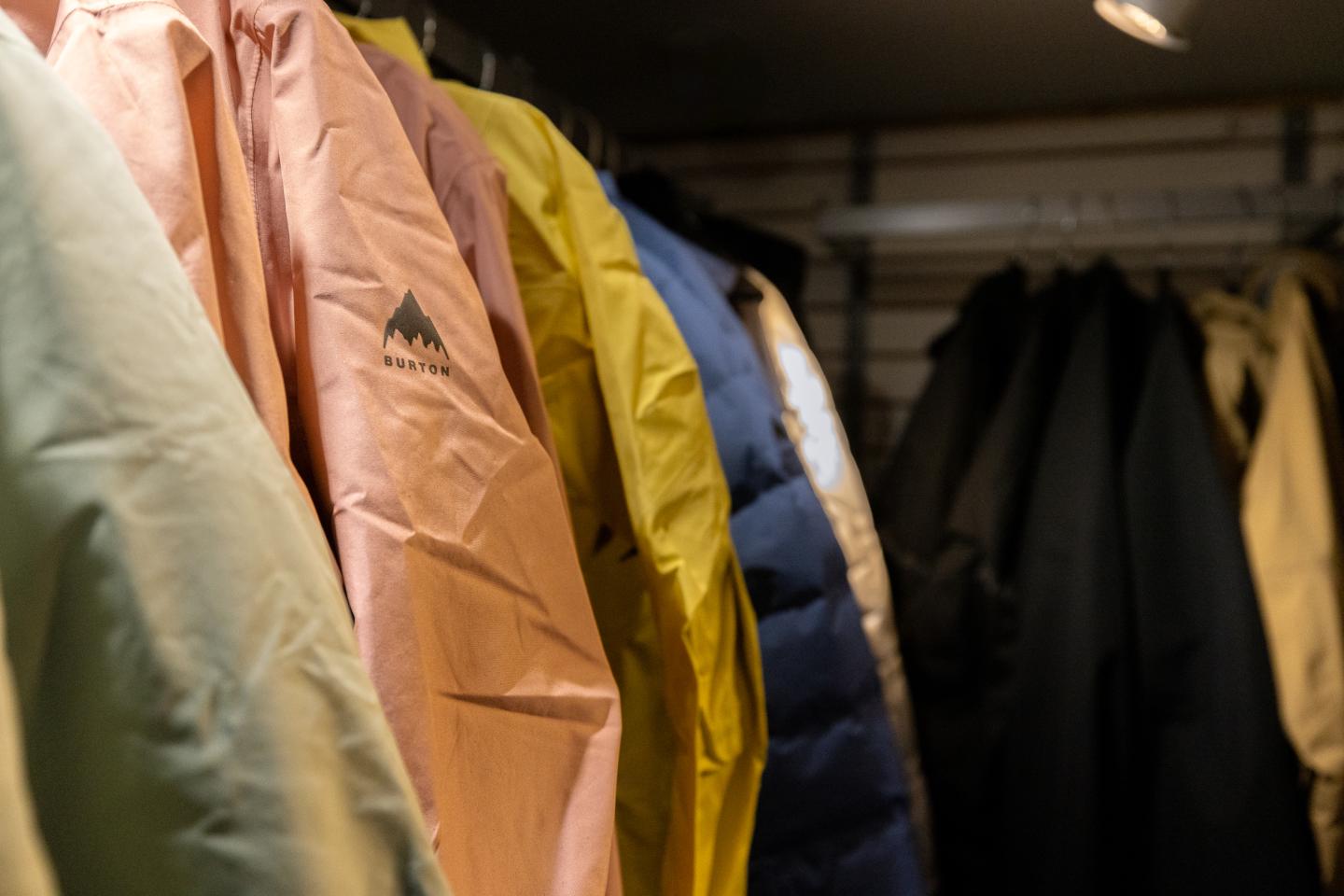
Staying dry on the slopes stands as a top priority for Canadian skiers facing our varied winter conditions. Modern ski jackets offer exceptional protection through advanced waterproof membranes like Gore-Tex, eVent, or proprietary technologies from brands such as Arc'teryx and The North Face.
What makes these jackets truly effective? Fully taped seams prevent moisture from seeping through stitching points, creating a complete moisture barrier. Your jacket should feature waterproof ratings between 10,000mm and 20,000mm for reliable protection during typical Canadian snowfall.
Adjustable hoods provide another layer of defense, especially during unexpected weather changes. Look for helmet-compatible designs that allow full head movement while keeping snow and wind out.
Breathability proves just as crucial as waterproofing. Without proper ventilation, we sweat inside our gear, becoming wet from the inside out. Quality jackets balance protection with breathability ratings of 10,000g+ to allow moisture vapor to escape while blocking external precipitation.
Ventilation zips under arms or on chest panels help regulate your body temperature during intense activity. These strategic openings can be opened during uphill sections or closed when temperatures drop.
2. Insulated Ski Pants
Keeping warm on the slopes requires proper insulation, and your ski pants play a huge role in maintaining comfort throughout the day. Most insulated ski pants come with synthetic fills like Thinsulate or PrimaLoft, which provide excellent warmth without excessive bulk.
Water resistance ranks as equally important as insulation. Look for pants with a minimum waterproof rating of 10,000mm, though 20,000mm provides superior protection during wet snow conditions or extended periods sitting on lifts.
Your ski pants should allow free movement without restriction. A good fit means pants that aren't too tight around thighs and knees, giving you room to bend and flex as you carve down runs. Too baggy, however, can create drag and catch on equipment, so balance remains key.
Waist adjustability features help you customize fit throughout the day. Many models offer side adjusters, belt loops, or integrated belting systems that let you tighten or loosen as needed. This becomes particularly helpful after lunch breaks or when layering changes occur.
Integrated snow gaiters provide essential protection against powder sneaking into your boots. These elastic cuffs sit over your ski boots, creating a snow-proof seal that keeps your feet dry. Check that the gaiters have sturdy grips that stay in place during active skiing without riding up.
We recommend trying pants with reinforced areas at the seat and knees, which extend durability in high-wear zones. You'll appreciate this feature after a full season of use, especially if you occasionally take tumbles on the slopes.
3. Merino Wool Thermal Base Layers
Staying warm during Canadian winters starts with what touches your skin first. Merino wool thermal base layers provide exceptional performance for cold weather activities through their natural properties that synthetic materials simply cannot match.
The magic of merino wool lies in its moisture management capabilities. Unlike cotton that stays wet against your skin, merino wool can absorb up to 30% of its weight in moisture while still feeling dry. This wool transports sweat away from your body through tiny air pockets within the fiber structure, allowing your skin to maintain comfortable temperature regulation even during intense activity.
Temperature control becomes second nature with these specialized layers. The same fibers that wick moisture also trap body heat in microscopic air pockets, creating natural insulation that works regardless of weather conditions. Your body stays cozy in frigid temperatures yet avoids overheating during active periods.
4. Heated Ski Socks
Heated ski socks offer a practical solution for skiers who struggle with chilly toes, particularly during extremely cold weather conditions.
These specialized socks contain thin heating elements (usually carbon fiber) that run along the toe area, providing warmth exactly where you need it most. The heating elements connect to rechargeable lithium-ion batteries that typically attach at the top of the sock.
To get the most out of their benefits, we recommend choosing long socks that come up to the knees. This ideal length provides full coverage for the part of the leg exposed inside the ski boot. The fit should be snug without being too tight — close enough to prevent uncomfortable bunching, while still allowing proper blood circulation.
5. Gloves or Mittens with Liner
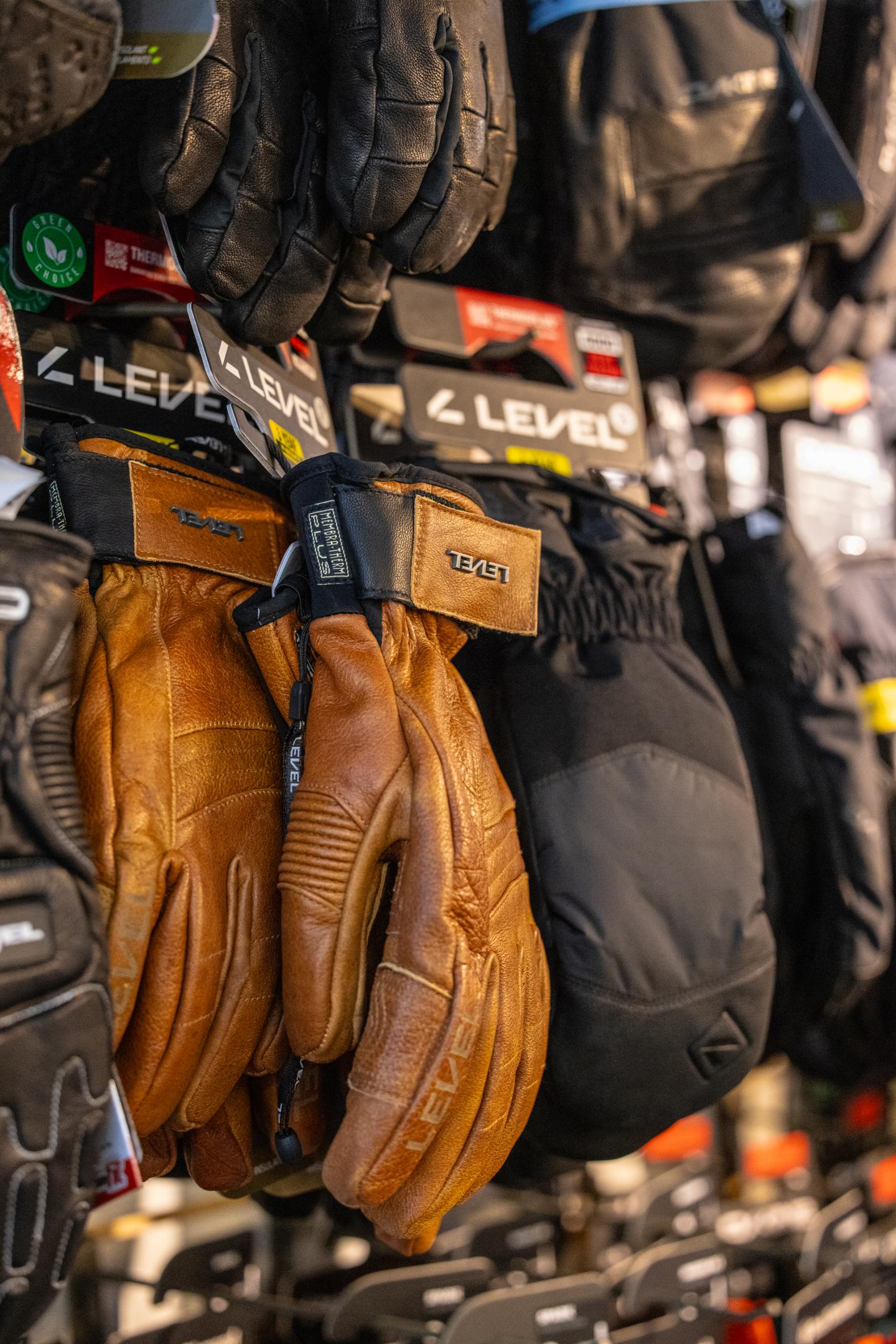
Liner choice plays a crucial role in the performance of your gloves or mitts. Models with removable liners offer several major advantages for active users.
In most designs, the liner can be removed for quick drying after a day in the snow. This feature helps prevent moisture buildup, which could otherwise reduce thermal insulation on your next outing.
The materials used for liners vary depending on specific needs:
- Merino wool: naturally insulating and odour-resistant
- Synthetic fleece: ultra-fast drying and lightweight
- Thinsulate: excellent warmth-to-thickness ratio
Some models even feature interchangeable liners, allowing you to adjust your gear to changing weather conditions. This added flexibility is especially useful for people who take part in a variety of outdoor activities.
We recommend considering your intended use before choosing between gloves and mitts. For activities that require precision and dexterity, gloves remain the best option. On the other hand, mitts excel when warmth matters more than fine motor control.
6. Warm Hat That Fully Covers the Ears
Keeping your head and ears protected from cold winter conditions makes a significant difference in your overall warmth and comfort. A good winter hat serves as your first defense against frigid temperatures and biting winds.
We recommend selecting hats that completely cover your ears for maximum protection. Look for designs with extended sides or dedicated ear flaps that create a seal against cold air. The best winter hats feature thick insulation while remaining breathable enough to prevent overheating during activity.
For proper ear coverage, check that the hat extends fully below your earlobes. The fit should be snug but not tight: you want to trap heat without causing discomfort. Adjustable features like drawstrings or stretchy fabrics help achieve the perfect fit.
If you plan to wear your hat during sports or activities requiring a helmet, consider a thinner beanie-style option that fits comfortably underneath. Some specialized winter hats are specifically designed with a low profile for helmet compatibility without sacrificing warmth.
7. Neck Gaiter or Balaclava
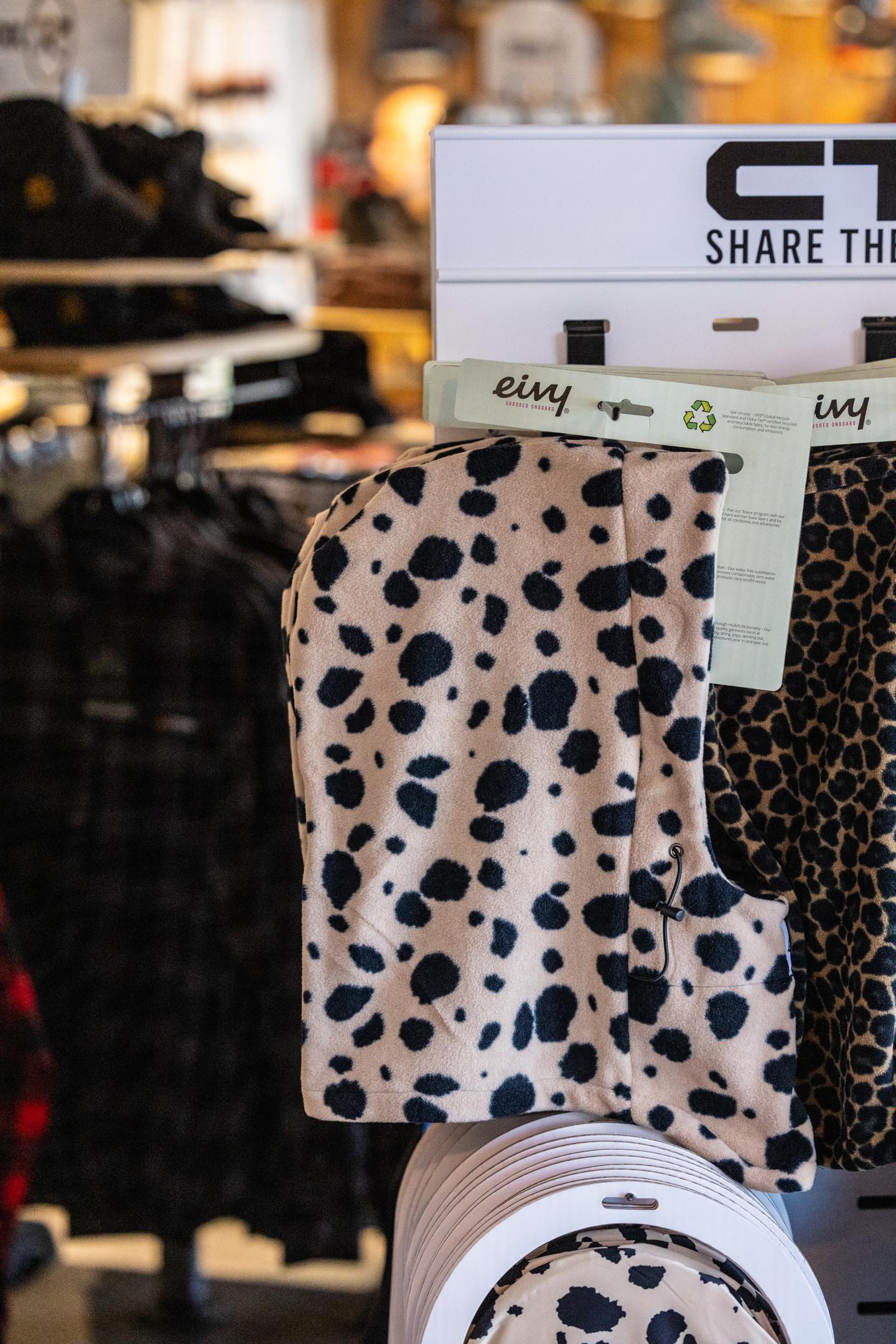
Neck gaiters and balaclavas are essential gear for anyone spending time outdoors. These versatile accessories provide exceptional coverage for your chin, neck, and cheeks: areas particularly vulnerable to frostbite during harsh winter conditions.
Wind protection stands out as the primary benefit of wearing a neck gaiter or balaclava. Bitter winter gusts can quickly drain body heat from exposed skin, making proper barriers necessary for comfort and safety. A good quality neck gaiter creates an effective shield against howling winds that might otherwise cause painful chapping or more serious cold-related injuries.
Many Canadian outdoor enthusiasts prefer models with adjustable features so you can modify coverage based on changing conditions. Pull it up over your nose during the coldest moments, then lower it when you need less protection or are generating more body heat.
For activities generating significant exertion, consider options with mesh breathing panels near the mouth area. These specialized designs help manage exhaled moisture while maintaining warmth around the rest of your neck and face.
8. Ski Goggles with Double Lenses
Double lens ski goggles have become standard equipment for Canadian skiers and snowboarders who want clear vision in challenging mountain conditions.
The primary advantage of double lens construction lies in its superior anti-fog technology. These goggles create an insulating barrier between the cold exterior lens and the warmer interior lens, much like how your home's double-pane windows work. Your body heat won't cause condensation on the inside of the goggles, keeping your vision clear throughout your runs.
UV protection ranks equally important as fog prevention. Mountain environments expose you to intense ultraviolet radiation, especially at higher altitudes where the atmosphere filters less sunlight. Quality double lens goggles provide 100% UV protection to shield your eyes from potential damage.
9. Sunscreen and Lip Balm with SPF
UV radiation increases approximately 4-5% for every 300 metres of altitude gain. At popular Canadian mountain destinations, this means you'll face up to 40% stronger sun exposure compared to sea level. We recommend applying sunscreen 20 minutes before outdoor exposure and reapplying every two hours, more frequently if you're sweating heavily or after contact with water. Your lips need similar attention, so keep SPF lip balm handy and apply it regularly throughout your adventure.
Here are two essential items to help protect you effectively:
- High-protection sunscreen (SPF 50+): Apply a generous amount of a water-resistant formula to all exposed areas, including your face, neck, and hands. Reapply every two hours, or more often if you’re sweating heavily. Inadequate sun protection can not only lead to painful sunburns, but also accelerate skin aging and increase the risk of long-term skin issues.
- Lip balm with SPF: Lips are especially vulnerable at higher elevations, where dry air combined with UV exposure can cause chapping and burns. Choose a lip balm with at least SPF 30 and apply it regularly during outdoor activities. The lip area requires extra care, as it lacks natural protective melanin and dries out quickly in a mountain environment.
10. Compact Backpack for Snacks, Water, and Extra Layers
A reliable backpack serves as your trusty companion during your adventures.. You'll want something practical that carries all necessities without weighing you down or causing discomfort.
Your ideal backpack should include:
- Nutritious Snacks: Pack energy bars, trail mix, fresh fruit, or jerky to maintain energy levels throughout your trek
- Hydration Solutions: Carry a water bladder (2-3 litres) or multiple water bottles depending on your activity duration
- Extra Clothing Layers: Bring lightweight, moisture-wicking options that can be added or removed as weather conditions change
First Aid Essentials: Keep a compact kit with bandages, antiseptic wipes, and blister treatment
11. First Aid Kit with Bandages and Anti-Inflammatories
We recommend keeping a compact first aid kit in your vehicle for any unexpected situations you might face during winter driving. Your kit should include:
- Adhesive bandages in various sizes for minor cuts
- Sterile gauze pads and medical tape
- Elastic bandage wraps for sprains or strains
- Pain relievers like acetaminophen or ibuprofen
- Anti-inflammatory gel for muscle soreness
- Antiseptic wipes or solution
- Blister treatment pads or moleskin
- Tweezers and small scissors
- Disposable gloves
- Emergency contact information
Having these items readily available can make a significant difference during minor emergencies. You should check your supplies regularly and replace any expired medications. A properly stocked first aid kit gives you peace of mind knowing you're prepared for small medical issues that might occur during winter travel.
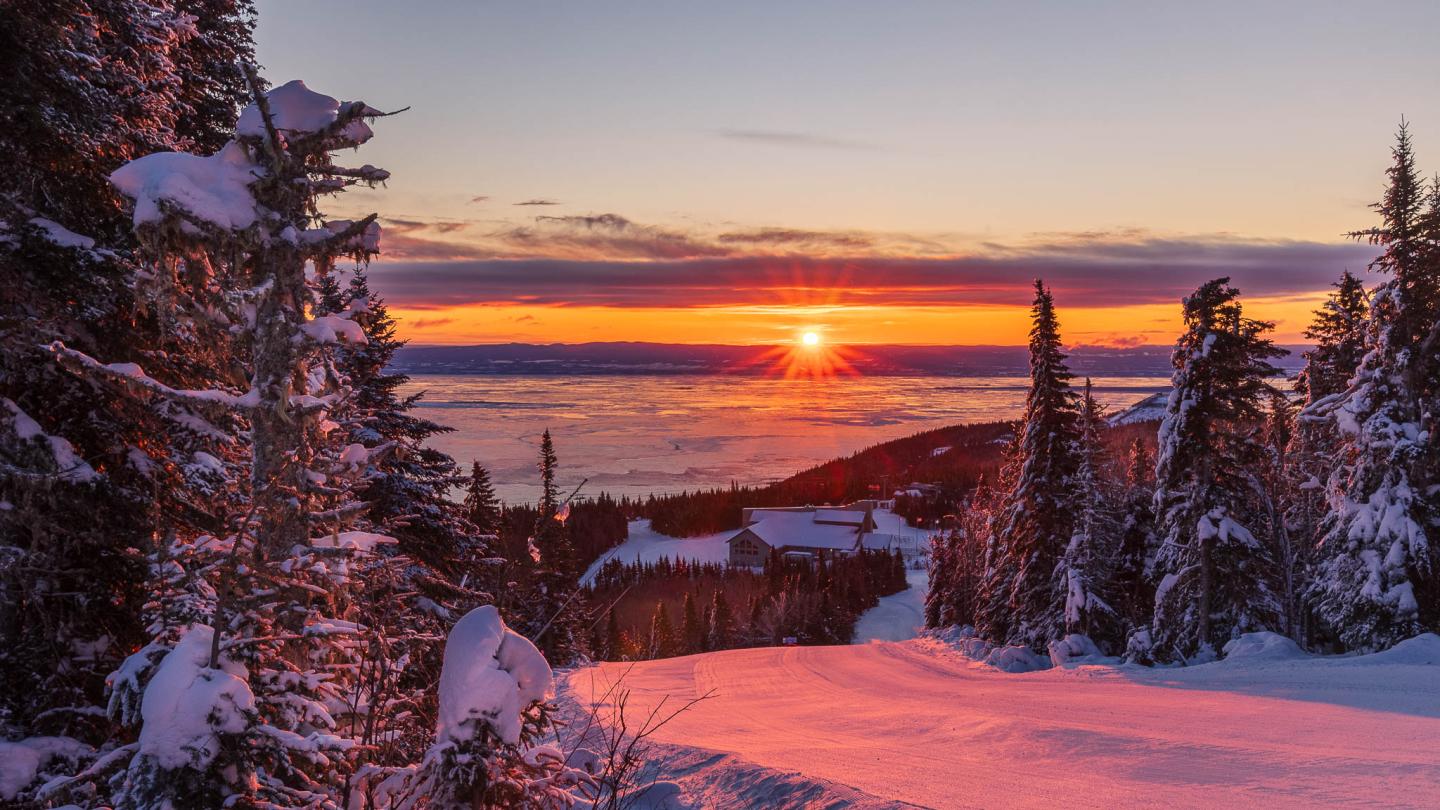
Enjoy an Unforgettable Ski Trip at Le Massif de Charlevoix
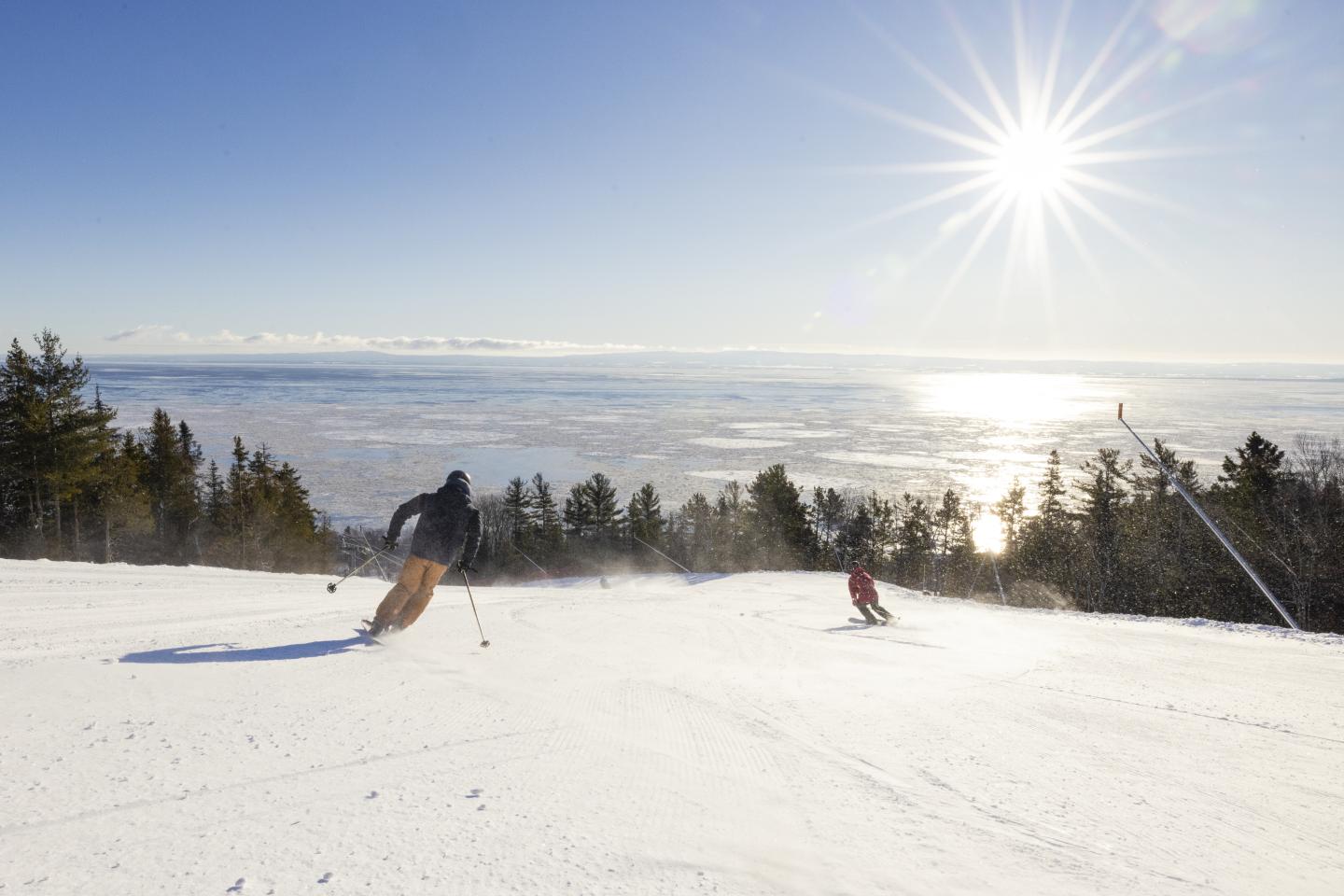
Packing for your ski adventure shouldn't feel overwhelming. At Le Massif de Charlevoix, we understand what makes a perfect winter getaway memorable. Our resort offers the highest vertical drop east of the Canadian Rockies with breathtaking St. Lawrence River views that will leave you amazed.
From beginners to experts, everyone finds their place on our slopes. Come experience world-class skiing plus delicious local cuisine that perfectly caps off an exhilarating day outdoors.
Frequently Asked Questions about Ski Trips
What Thermal Base Layers Are Recommended for a Ski Trip?
Merino wool stands out as a top choice for thermal base layers due to its exceptional heat retention properties. Your body will stay warm even in frigid mountain conditions while the natural fibres pull moisture away from skin to keep you dry throughout active days. Look for different thicknesses based on weather forecasts – lighter weights work well for milder conditions or high-intensity activities, while heavier options provide extra warmth during cold snaps.
Make sure base layers fit snugly against your body without restricting movement, as loose-fitting thermals create air pockets that reduce their warming effectiveness.
How to Safely Transport Your Skis?
Proper ski bags with adequate padding offer the best protection for your valuable equipment during travel. For road trips, consider hard-shell cases or padded ski bags that shield edges from impacts, while soft cases might suffice for shorter journeys. Air travellers should check specific airline policies regarding ski equipment as rules vary widely – many carriers count ski gear as special baggage with unique fee structures.
Always secure bindings together, wrap poles separately, and add extra cushioning around tips and tails where damage commonly occurs. Handle your skis by grasping the middle section rather than the ends to prevent unnecessary stress on delicate parts.
Why Is Sunscreen Important While Skiing?
Snow reflects up to 80% of UV rays, effectively doubling your sun exposure compared to regular outdoor activities. A broad-spectrum product with SPF 50+ creates a necessary barrier against both UVA and UVB radiation at higher altitudes where solar intensity increases dramatically. Cold mountain air often masks the sensation of burning, leading many skiers to discover painful sunburn only after returning indoors.
Apply protection to often-forgotten areas such as under your chin, behind ears, nostrils, and lips using specialized balms with sun-blocking ingredients. Avoiding proper sun protection can result in severe burns that might cut your holiday short and contribute to long-term skin damage.
What Type of Backpack Is Most Practical on the Slopes?
Ski-specific backpacks feature ergonomic straps that distribute weight evenly across your shoulders without affecting balance while carving down runs. The ideal slope pack includes dedicated storage for safety gear, insulated hydration sleeve to prevent water from freezing, and quick-access pockets for essentials like snacks or phone.
Waterproof materials with sealed seams keep contents dry during snowfall or when sitting on wet chairlifts between runs. Choose a slim profile design that hugs close to your body, minimizing swing weight that could throw off your technique when tackling challenging terrain or making quick directional changes through trees or moguls.